DESCRIPTION
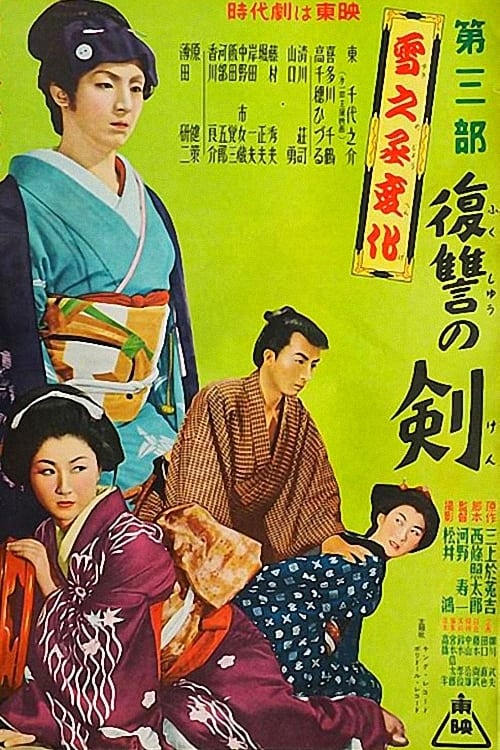
The final, third part of an entertaining historical drama depicting the eventful story of the revenge of an actor with a strange fate, with a variety of characters and exciting developments.
FULL CAST
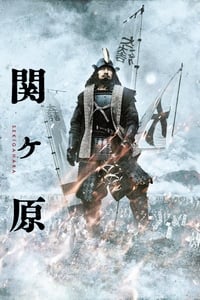
The background to and depiction of a watershed battle in Japanese history, at Sekigahara in 1600, when Tokugawa Ieyasu's Army of the East defeated the Army of the West of Ishida Mitsunari. The story includes the intrigues and shifting loyalties of the various retainers, family members, and samurai.
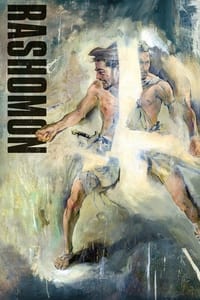
Four people recount different versions of the story of a man's murder and the rape of his wife.

In feudal Japan, during a bloody war between clans, two cowardly and greedy peasants, soldiers of a defeated army, stumble upon a mysterious man who guides them to a fortress hidden in the mountains.
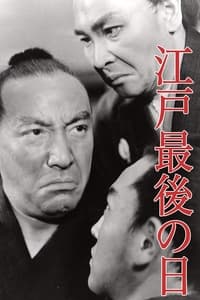
It is a historical drama that follows Katsu Kaishu's efforts to surrender Edo Castle bloodlessly in the first year of the Meiji period.

The Color Print of Edo is a 1939 black and white Japanese silent film with benshi accompaniment directed by Kazuo Mori. It is a cheerful period drama, sprinkled with comical scenes and tells the story of a loyal and handsome Edo period servant who fights to help his older brother marry the woman he loves. The star of this film, Utaemon Ichikawa, gained enormous popularity for his portrayal of a cheerful and chivalrous man.
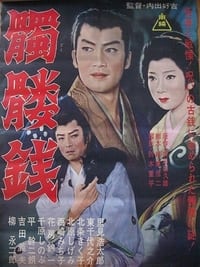
The mysterious story behind the Skull Coins, which are said to reveal the location of treasure, and the battle for them will make your heart beat faster.
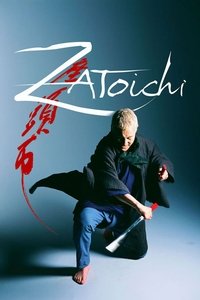
Blind traveler Zatoichi is a master swordsman and a masseur with a fondness for gambling on dice games. When he arrives in a village torn apart by warring gangs, he sets out to protect the townspeople.
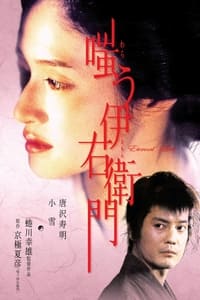
Having put down his sword and given up the will to fight, the masterless samurai Iemon lives in solitude while being haunted by his violent enigmatic past...

A samurai answers a village's request for protection after he falls on hard times. The town needs protection from bandits, so the samurai gathers six others to help him teach the people how to defend themselves, and the villagers provide the soldiers with food.
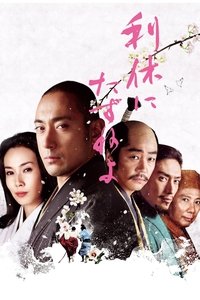
Sen no Rikyu (Ebizo Ichikawa) is the son of a fish shop owner. Sen no Rikyu then studies tea and eventually becomes one of the primary influences upon the Japanese tea ceremony. With his elegant esthetics, Sen no Rikyu is favored by the most powerful man in Japan Toyotomi Hideyoshi (Nao Omori) and becomes one of his closest advisors. Due to conflicts, Toyotomi Hideyoshi then orders Sen no Rikyu to commit seppuku (suicide). Director Mitsutoshi Tanaka's adaptation of Kenichi Yamamoto's award-winning novel of the same name received the Best Artistic Contribution Award at the 37th Montréal World Film Festival, the Best Director Award at the 2014 Osaka Cinema Festival, the 30th Fumiko Yamaji Cultural Award and the 37th Japan Academy Film Prize in nine categories, including Best Art Direction, Excellent Film and Excellent Actor.

Fifth movie in the Hissatsu (Sure Death!) Series. At the behest of a corrupt bureaucrat, a mysterious band of murderers wage a bloody battle against three deadly assassins.
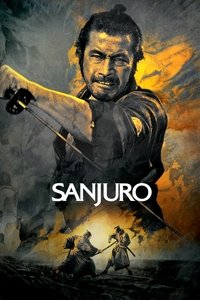
Toshiro Mifune swaggers and snarls to brilliant comic effect in Kurosawa's tightly paced, beautifully composed "Sanjuro." In this companion piece and sequel to "Yojimbo," jaded samurai Sanjuro helps an idealistic group of young warriors weed out their clan's evil influences, and in the process turns their image of a proper samurai on its ear.

A nameless ronin, or samurai with no master, enters a small village in feudal Japan where two rival businessmen are struggling for control of the local gambling trade. Taking the name Sanjuro Kuwabatake, the ronin convinces both silk merchant Tazaemon and sake merchant Tokuemon to hire him as a personal bodyguard, then artfully sets in motion a full-scale gang war between the two ambitious and unscrupulous men.

Akira Kurosawa's lauded feudal epic presents the tale of a petty thief who is recruited to impersonate Shingen, an aging warlord, in order to avoid attacks by competing clans. When Shingen dies, his generals reluctantly agree to have the impostor take over as the powerful ruler. He soon begins to appreciate life as Shingen, but his commitment to the role is tested when he must lead his troops into battle against the forces of a rival warlord.
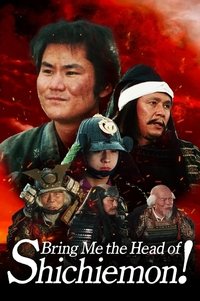
During the Sengoku period, an army relentlessly lays siege to a castle, but they will need the head of the opposing lord to declare victory.
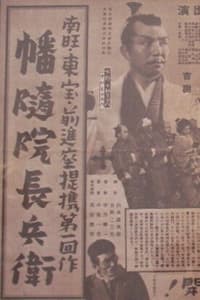
A jidaigeki film on Banzuiin Chōbei produced in 1940 and directed by Yasuki Chiba.
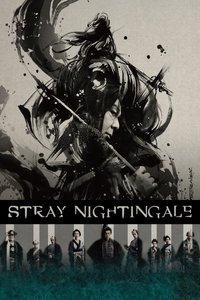
Japan, 1785. Jūzaburō, a famous thief who refuses to kill innocent people, is betrayed, ambushed, and left for dead.
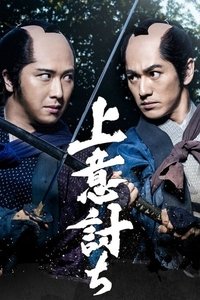
One samurai is ordered to kill another by their master in punishment.
0 Comments