It's a dreary Christmas 1944 for the American POWs in Stalag 17 and the men in Barracks 4, all sergeants, have to deal with a grave problem—there seems to be a security leak.
Director Dan Farah got 34 senior members of the U.S. Government, military, and intelligence community to come on camera. He says they reveal an 80 year cover-up of the existence of non-human intelligent life and a secret war amongst major nations to reverse engineer technology of non-human origin. The film explores the profound impact the situation has on the future of humanity, while providing a look behind-the-scenes with those at the forefront of the bi-partisan disclosure effort.
This is the true story about a group of Romani's (gypsy) in occupied Poland during World War II as they confront the atrocities and tragedies of a forgotten holocaust.

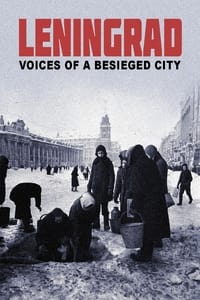
It was one of the great crimes of the Second World War: from 1941 to 1944, a total of 872 days, the siege and starvation of Leningrad by the German Wehrmacht on Hitler's orders lasted. Over a million people fell victim to the blockade, most of them dying of hunger. Countless of these starving people wrote diaries with the last of their strength, and cameramen filmed in the paralyzed city. Evidence from the hell of the siege, many of the film recordings, but above all the written memories on which this documentary on the occasion of the 80th anniversary of the liberation is based, remained under lock and key after the war. The voices of those who had suffered through this terrible time should not be heard by anyone, because they did not fit the pathos of the Leningrad heroic song that was officially sung. Most of the recordings come from women. The writers feared neither the enemy nor the Communist Party or Stalin, who often proved incompetent in providing for the population.
The story of Leon Vitali, who surrendered his promising acting career to become Stanley Kubrick's devoted right-hand man.
The true story of how businessman Oskar Schindler saved over a thousand Jewish lives from the Nazis while they worked as slaves in his factory during World War II.

Werner Herzog's documentary film about the "Grizzly Man" Timothy Treadwell and what the thirteen summers in a National Park in Alaska were like in one man's attempt to protect the grizzly bears. The film is full of unique images and a look into the spirit of a man who sacrificed himself for nature.
Charlotte Gainsbourg looks at her mother Jane Birkin in a way she never did, overcoming a sense of reserve. Using a camera lens, they expose themselves to each other, begin to step back, leaving space for a mother-daughter relationship.
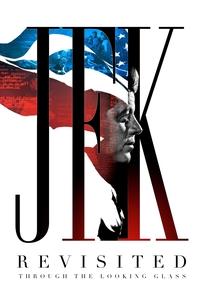
Thirty years after the release of his film JFK (1991), filmmaker Oliver Stone reviews recently declassified evidence related to the assassination of President John F. Kennedy, which took place in Dallas on November 22, 1963.

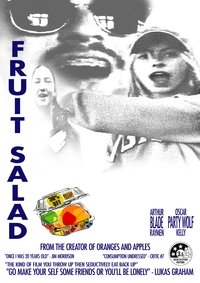
A journey through friendship and its fruit.
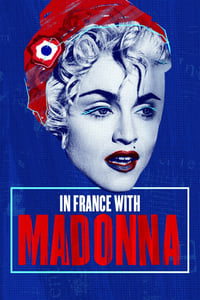
France is at the heart of Madonna's life. She is inspired by French culture and its values and has surrounded herself with French artists for many years. To celebrate the 40th anniversary of the Queen of Pop's career, this film revisits the close and unique bond between Madonna and France and features testimonials from close collaborators and French friends who have helped create her unique artistic universe: Maripol, Jean Paul Gaultier, Julien d'Ys, Nicolas Huchard, and Marion Motin. Today's artists such as Florence Foresti, Leïla Slimani, Victor Weinsanto and HollySiz talk about the influence of this emancipating figure, which extends far beyond music.
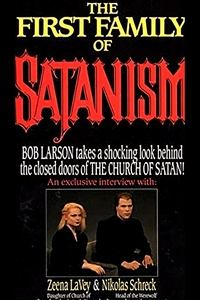
Evangelist Bob Larson sits down with Zeena and Nickolas and tries to talk some good old fashioned religion into 'em, but they'll have none of it.

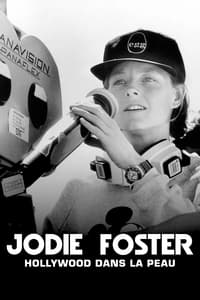
From her precocious status as a sex symbol to her consecration as a filmmaker, Jodie Foster's story is about a feminist struggle, albeit atypical, fought on and off the screen. This film sets out to retrace her remarkable journey within the Hollywood industry.
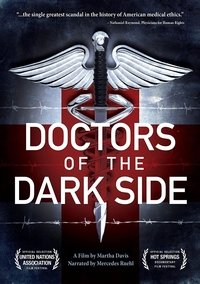
Doctors of the Dark Side is the first feature length documentary about the pivotal role of physicians and psychologists in detainee torture. The stories of four detainees and the doctors involved in their abuse demonstrate how US Army and CIA doctors implemented the Enhanced Interrogation Techniques and covered up signs of torture at Guantanamo and Abu Ghraib. Interviews with medical, legal and intelligence experts and evidence from declassified government memos document what has been called the greatest scandal in American medical ethics. Based on four years of research by Producer/Director Martha Davis, written by Oscar winning Mark Jonathan Harris, and filmed in HD by Emmy winning DP Lisa Rinzler, the film shows how the torture of detainees could not continue without the assistance of the doctors.
0 Comments