

DESCRIPTION
The injustice of the Japanese internment is explored through the story of Kyuichi Nomoto, one of the first Japanese Canadians to graduate from UBC, who suffered a breakdown deep in the BC Interior.
FULL CAST
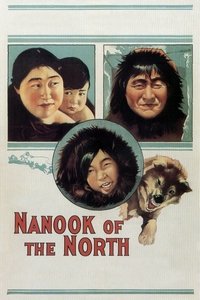
This pioneering documentary film depicts the lives of the indigenous Inuit people of Canada's northern Quebec region. Although the production contains some fictional elements, it vividly shows how its resourceful subjects survive in such a harsh climate, revealing how they construct their igloo homes and find food by hunting and fishing. The film also captures the beautiful, if unforgiving, frozen landscape of the Great White North, far removed from conventional civilization.
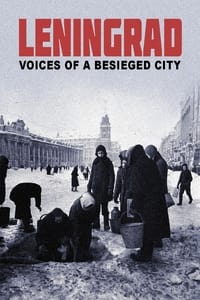
It was one of the great crimes of the Second World War: from 1941 to 1944, a total of 872 days, the siege and starvation of Leningrad by the German Wehrmacht on Hitler's orders lasted. Over a million people fell victim to the blockade, most of them dying of hunger. Countless of these starving people wrote diaries with the last of their strength, and cameramen filmed in the paralyzed city. Evidence from the hell of the siege, many of the film recordings, but above all the written memories on which this documentary on the occasion of the 80th anniversary of the liberation is based, remained under lock and key after the war. The voices of those who had suffered through this terrible time should not be heard by anyone, because they did not fit the pathos of the Leningrad heroic song that was officially sung. Most of the recordings come from women. The writers feared neither the enemy nor the Communist Party or Stalin, who often proved incompetent in providing for the population.
Thirty years after the release of his film JFK (1991), filmmaker Oliver Stone reviews recently declassified evidence related to the assassination of President John F. Kennedy, which took place in Dallas on November 22, 1963.

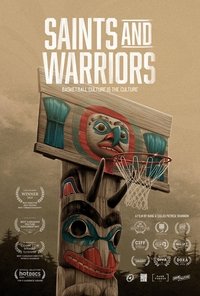
Throughout the course of the Haida basketball season, leaders of iconic rez ball team the Skidegate Saints compete for two titles - defending their All Native Basketball Championship, while also battling for title to their land and waters with the government that stole it from them with the Indian Act.
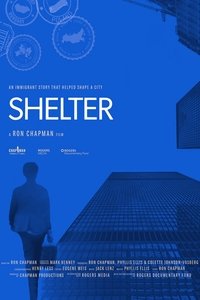
Fleeing religious persecution, resilient Jewish immigrants arrive in Toronto and begin building affordable, quality housing in a growing metropolis.
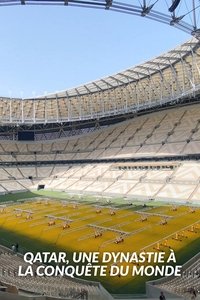
For three decades now, Qatar, this small desert kingdom, has not stopped being talked about; because of its financial power and the secrecy that surrounds it, the royal family that runs it fascinates as much as it frightens.

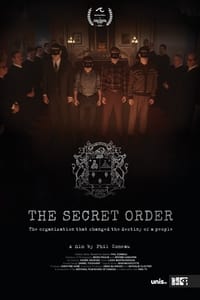
Phil Comeau shines a spotlight on the Ordre de Jacques-Cartier, a powerful secret society that operated from 1926 to 1965, infiltrating every sector of Canadian society and forging the fate of French-language communities. Through never-before-heard testimony from former members of the Order, along with historically accurate dramatic reconstructions, this film paints a gripping portrait of the social and political struggles of Canadian francophone-minority communities.
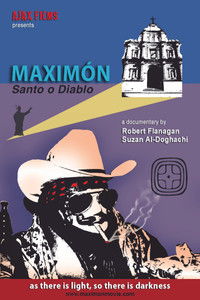
MAXIMÓN - Devil or Saint is a documentary about the controversial Maya deity, also known as San Simon or the drinking and smoking saint of Guatemala. He is a mixture of ancient Maya beliefs and Christianity. The movie concentrates on the people who surround Maximón with their strong personalities, opinions and faith. The documentary gives us a rare view into the rituals and fiestas honoring Maximón. The cult of Maximón is flourishing because he performs miracles. He is also feared and despised because he is used to cast curses that can result in death. Ultimately, Maximón transcends the duality of good and evil, reflecting the Maya cosmovision in which everything in the universe co-exists.
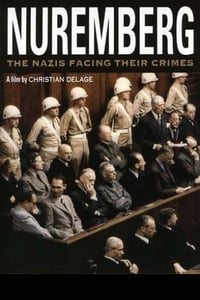
The documentary of the Nuremberg War Trials of 21 Nazi dignitaries held after World War II.
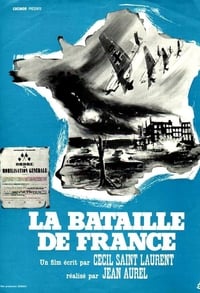
A montage of newscasts tracing the events of the "damned war" and the German invasion of 1940.
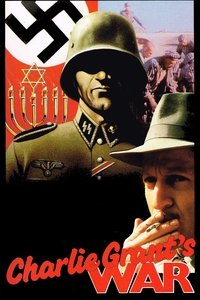
A Canadian artist turned diamond merchant in Vienna, Austria risks his life to smuggle Jews out of the Third Reich.
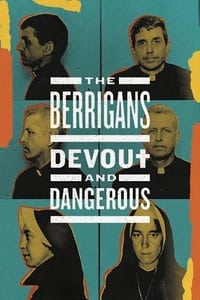
The Berrigan Brothers, Daniel and Philip were Catholic priests dedicated to non violent resistance of the violent policies of the United States government. They rose to prominence as outspoken opponents of the Vietnam War.
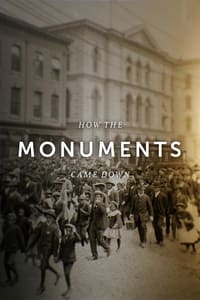
How the Monuments Came Down is a timely and searing look at the history of white supremacy and Black resistance in Richmond. The feature-length film-brought to life by history-makers, descendants, scholars, and activists-reveals how monuments to Confederate leaders stood for more than a century, and why they fell.
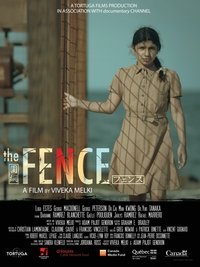
Two thousand Canadians suffered the longest incarceration anywhere in the Second World War, a bitter four-year period inside Japanese POW camps in Hong Kong and Japan.
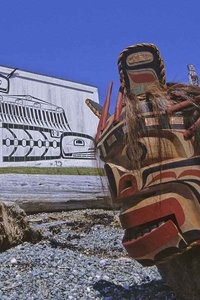
In 1921 the Kwakiut'l people of Alert Bay, British Columbia, held their last secret potlatch. In 1980 at Alert Bay, the U'mista Cultural Centre (U'mista means "something of great value that has come back") opened its doors to receive and house the cultural treasures which were seized decades earlier and only then returned to the people. The center also took up activities such as recording stories told by elders so that some part of the past would always be alive and teaching children about their heritage in order to make them feel connected to their ancestors. This film documents the cultural significance of these events for today's Kwakiut'l people. It is an eloquent testimony to the persistence and complexity of Kwakiut'l society and to the struggle for redefining cultural identity for them.
0 Comments
