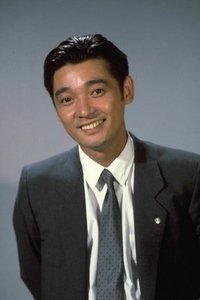

DESCRIPTION
The story of Takeha, a free-spirited genius poet who lived through Taisho Romanticism, and the women who gave themselves over to his ambitions.
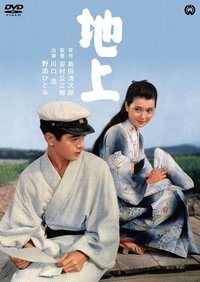
Ichiro’s family used to be a large landowner, but now he is living in poverty with his mother. His mother works hard to get her son through school. Under such circumstances, Ichiro meets Wakako, the daughter of a wealthy man, and they fall in love with each other, but they are opposed by those around them because of their different social status.
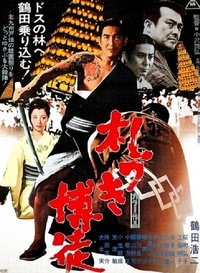
A lone gambler tries to keep a yakuza family from taking over a festival in Kitakyushu. After away from his hometown for 13 years, Ryuji comes back and saves the town that is becoming run-down from yakuza’s ill deeds.
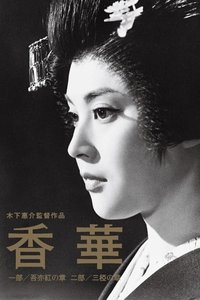
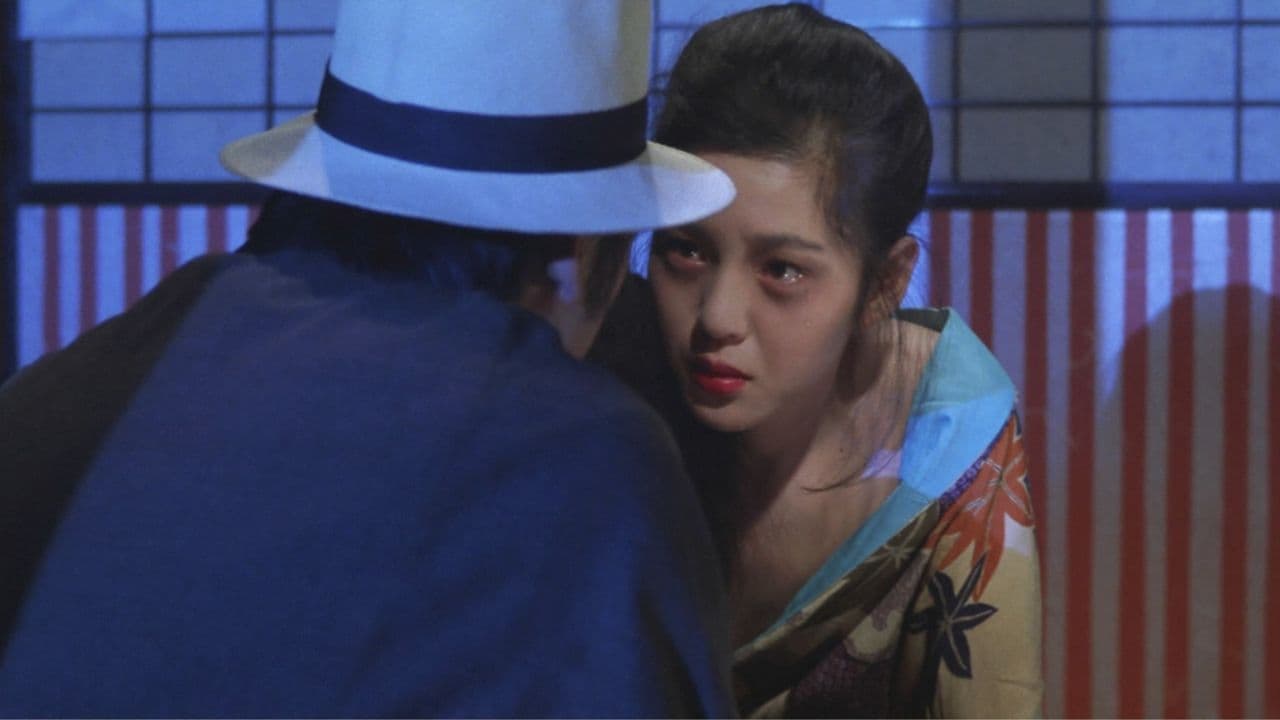
After her mother runs away from home, Tomoko is raised to be a geisha. One day Tomoko meets her mother in a red-light district in Tokyo and her life deeply gets in trouble.

The story follows Benio "Haikara-san" Hanamura, who lost her mother when she was very young and has been raised by her father, a high-ranking official in the Japanese army. As a result, she has grown into a tomboy - contrary to traditional Japanese notions of femininity, she studies kendo, drinks sake, dresses in often outlandish-looking Western fashions instead of the traditional kimono, and is not as interested in housework as she is in literature. She also rejects the idea of arranged marriages and believes in a woman's right to a career and to marry for love.
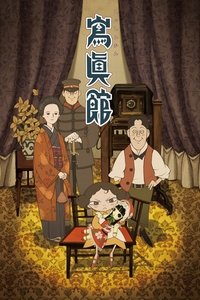
Late 19th century Japan: a studio photographer who always captures his clients’ best smile. One day he tries to coax a smile out of a little girl, but… A nostalgic tale of a relationship that transcends wars and disasters.

An unhappy young woman from an abusive family is married off to a fearsome and chilly army commander. But the two learn more about each other, love may have a chance.
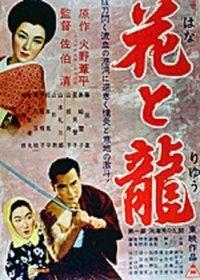
Dai-ichi-bu: Dôkai-wan no rantô - Kiyoshi Saeki directed movie.
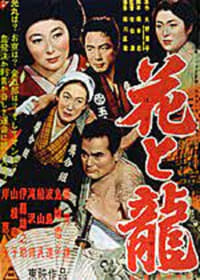
Dai-ni-bu: Aijô ruten: Kiyoshi Saeki directed movie
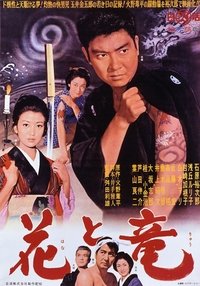
In the late 1890s, coal is a precious new natural resource. During an era of rapid economic growth, dreams are instilled into the lives of many across Japan. A vigorous young man with a look of fearless determination, sets foot on the northern part of Kyushu, an area where Yakuza thrived. His name is Kingoro Tamai (Yujiro Ishihara). With plans to travel the world, Kingoro worked diligently at a coal mine. His loyalty and hard work earned the respect of his peers, his courage won the heart of the beautiful Mon (Ruriko Asaoka), and his success evoked jealousy in his enemies.

A recap of Kimetsu no Yaiba episodes 43–45, with new footage and special end credits. Together with his comrades, Zenitsu and Inosuke, along with one of the top-ranking members of the Demon Slayer Corps, Tengen Uzui, Tanjiro embarks on a mission within the Entertainment District, where they encounter the formidable, high-ranking demons, Daki and Gyutaro.

In 1924 Yuri killed 57 people as a spy before going underground as the madam of a small brothel. There, she encounters an orphan whose family was murdered and holds the key to finding a large sum of money reported missing by the Imperial Japanese Army. But with an army of soldiers after them, they must fight to survive.

In the wake of the Great Kanto Earthquake (1923), which killed nearly 100,000 people, more than 6,500 Koreans were murdered by the military, the police and civilians. This film uses evidence and testimony to examine the history behind this massacre.
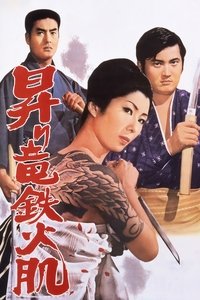
Japanese crime film
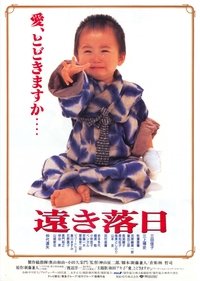
Faraway Sunset tells the story of the famed bacteriologist who is known to have discovered the agent that cause syphilis, and for his relentless search for a cure to yellow fever. As a toddler, his mother's neglect had caused an accident to his left hand, fusing together all the fingers in a bizarre twist of fate. Naturally extremely remorseful for being the cause of her son's handicap, she does everything she could to ensure that he gets to lead a normal life, despite having to fend off bullies and unfair prejudices.

Kenji, the eldest son of Masajiro, a wealthy moneylender, refuses to work in the family business and becomes obsessed with farming, jewelry and religion.
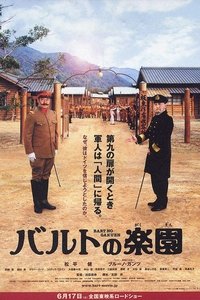
Based on the true story of the Bandō prisoner-of-war camp in World War I. It depicts the friendship of the German POWs with the director of the camp and local residents at the stage of Naruto, Tokushima Prefecture, in Japan.
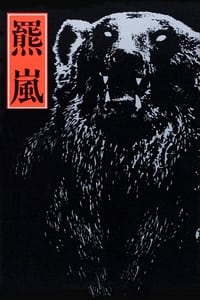
An adaptation of Akira Yoshimura's original suspense novel starring Rentaro Mikuni. 4th year of the Taishō era. About 15 families who moved in search of agricultural land to the land of the pioneers in Hokkaido led a peaceful life. One day, one of the pioneers, Mikio Shimakawa's wife Yura, and her child Taichi are attacked and killed by a bear that cannot hibernate. To resolve the situation, Shimakawa goes against all odds and turns to Ginshiro, the most hated hunter in the village, for help. While Shimakawa was away from the village, Yura and his friends were holding a funeral, the bear attacked again...
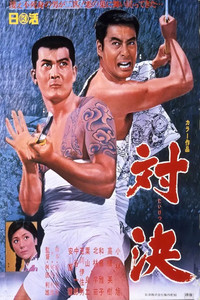
Late Taishō period. The Shibatora family, led by Naojirō, held power over the Tomigawara area in Jōshū. After launching an attack on the Takayasu family for encroaching on their territory, they were instead ambushed by Takayasu's forces. Taking full responsibility, Naojirō turned himself in to the police. Six years later, upon his release, he is enraged to find that everything has changed drastically from how it once was.
0 Comments