DESCRIPTION
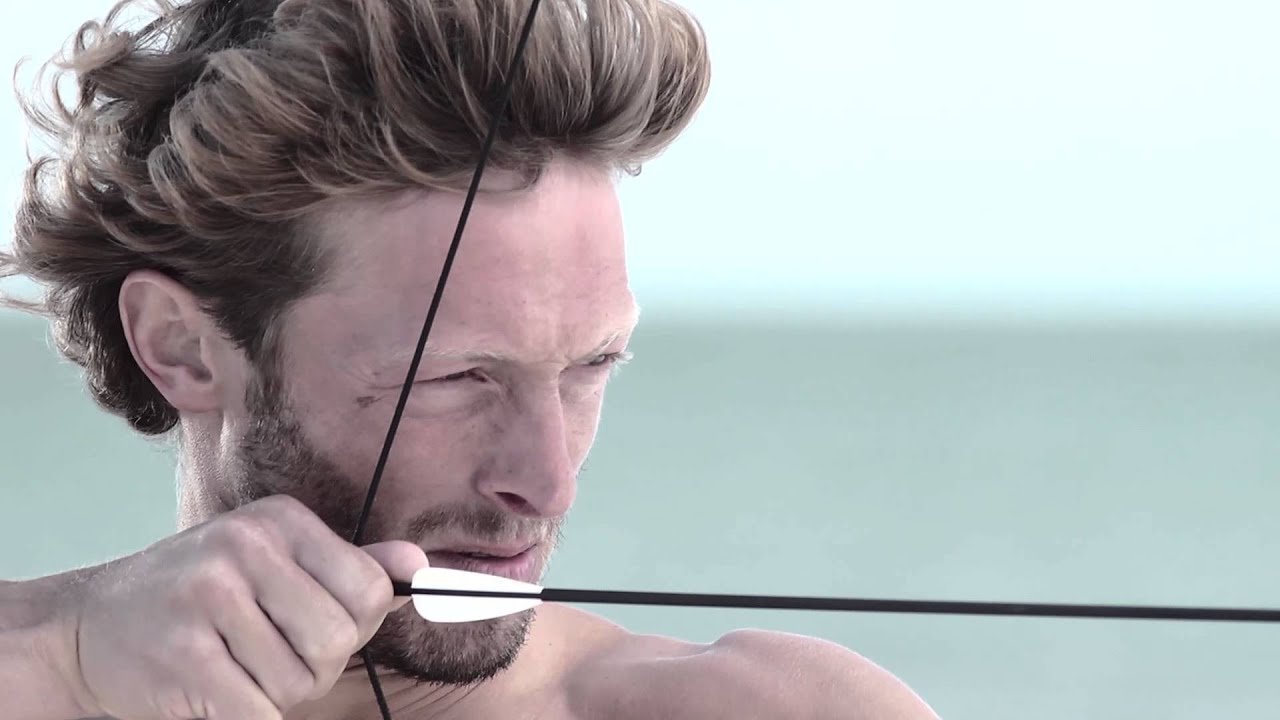
An anthology of one-minute films created by 51 international filmmakers on the theme of the death of cinema. Intended as an ode to 35mm, the film was screened one time only on a purpose-built 20x12 meter public cinema screen in the Port of Tallinn, Estonia, on 22 December 2011. A special projector was constructed for the event which allowed the actual filmstrip to be burnt at the same time as the film was shown.

TV movie "Triptych of love" was created by short stories by famous Slovak writer Ladislava Nádaši - Jégeho. Historical themes in his works have an ambition to bring over to look attractive environment and time bygone era strong dramatic stories and exciting human destinies. Renaissance short stories from the collection "Italy" are a variety of views from different backgrounds, linking theme of many forms of love, its tones and semitones, from bitterly ridiculous after tragic. Screenwriter Ján Števček that dramatically processed three Jégeho stories.
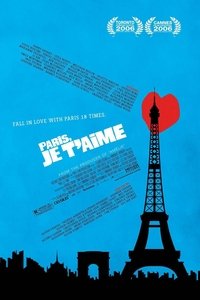
Olivier Assayas, Gus Van Sant, Wes Craven and Alfonso Cuaron are among the 20 distinguished directors who contribute to this collection of 18 stories, each exploring a different aspect of Parisian life. The colourful characters in this drama include a pair of mimes, a husband trying to choose between his wife and his lover, and a married man who turns to a prostitute for advice.
A short film by John G. Avildsen.
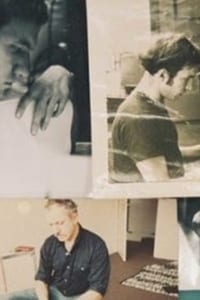
Electro-Pythagorus is an intimate and subjective portrait of the late Martin Bartlett, the Canadian electronic music pioneer who studied with Pauline Oliveros, David Tudor, John Cage, and Pandit Pran Nath. His contribution as an interdisciplinary composer, educator, and founding member of Western Front, though undoubtedly extensive, is in danger of being erased from cultural memory since his death from AIDS in 1993. Navigating an array of archival materials including letters, correspondences, notebooks, personal photos, and a huge body of unreleased music and field recordings held at the archives of Simon Fraser University, Electro-Pythagoras is a journey through the evolution of Bartlett’s musical time and space, softly guided by Luke Fowler’s insightful camera and montage—creating an experimental portrait that defies one-dimensionality.
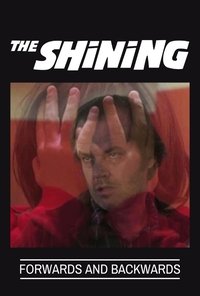
An experimental film comprised of Stanley Kubrick's THE SHINING played forwards and backwards at the same time on the same screen, creating bizarre juxtapositions and startling synchronicities
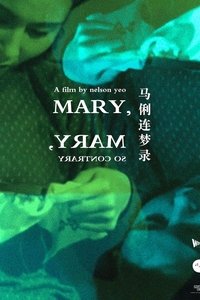
Repurposing and manipulating classic film footage and the filmmaker’s personal footage, the film weaves a phantasmagoric narrative of a Chinese lady named Ma Li who dreams she is a Caucasian named Mary.
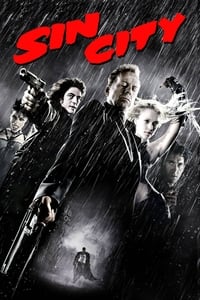
Welcome to Sin City. This town beckons to the tough, the corrupt, the brokenhearted. Some call it dark… Hard-boiled. Then there are those who call it home — Crooked cops, sexy dames, desperate vigilantes. Some are seeking revenge, others lust after redemption, and then there are those hoping for a little of both. A universe of unlikely and reluctant heroes still trying to do the right thing in a city that refuses to care.
A day in the city of Berlin, which experienced an industrial boom in the 1920s, and still provides an insight into the living and working conditions at that time. Germany had just recovered a little from the worst consequences of the First World War, the great economic crisis was still a few years away and Hitler was not yet an issue at the time.
A successful mod photographer in London whose world is bounded by fashion, pop music, marijuana, and easy sex, feels his life is boring and despairing. But in the course of a single day he unknowingly captures a death on film.
Film reconstruction of five real stories about the heroic deeds of the residents of Kyiv region during the Russian occupation. A story about those who heroically and selflessly saved tens of thousands of Ukrainian lives.
Based on the novel "Šta bi učinio Zobec?" (What Would Zobec Do?) by Svetozar Vlajković. It's a short movie about a young man who is afraid of being turned down by a girl.
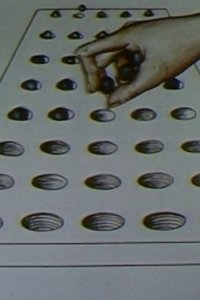
An animated short consisting of 4 segments: bowl, garden, theatre, marble game. Preserved by the Academy Film Archive in partnership with Harvard Film Archive in 2015.
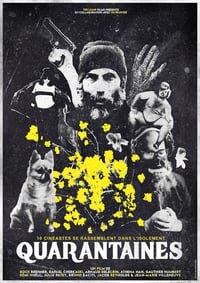
"Quarantines" is a collective film made at the time of the first confinement of 2020. Ten international directors, ten perspectives that intersect in the same period, with their authentic and more atypical universes than each other. A work that unites in isolation and expresses the impalpable. This film is a challenge, a bet: that of creation which persists despite everything within the constraints of the health crisis.
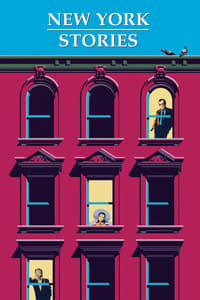
Three tales of love, ambition, and neurosis unfold in the city that never sleeps. In "Life Lessons" (Martin Scorsese), a tormented painter channels heartbreak into his art. In "Life Without Zoë" (Francis Ford Coppola), a precocious 12-year-old navigates privilege and loneliness in a Manhattan hotel. And in "Oedipus Wrecks" (Woody Allen), a man’s domineering mother literally becomes a looming presence over New York.
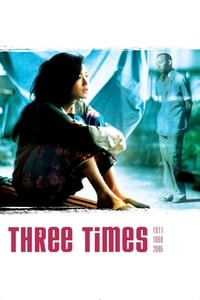
In three separate segments, set respectively in 1966, 1911, and 2005, three love stories unfold between three sets of characters, under three different periods of Taiwanese history and governance.
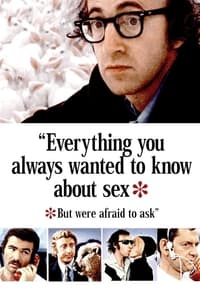
A collection of seven vignettes, which each address a question concerning human sexuality. From aphrodisiacs to sexual perversion to the mystery of the male orgasm, characters like a court jester, a doctor, a queen and a journalist adventure through lab experiments and game shows, all seeking answers to common questions that many would never ask.
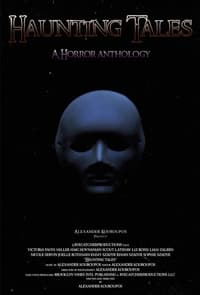
Emmy is babysitting Rhian and Sophie on Halloween night when Rhian demands a scary bedtime story. Sophie, Rhian's teenage sister, joins them for a story after some playful goading by Emmy. After each tale, the girls request another until they find out that sometimes you should be careful what you wish for. Haunting Tales is a Thriller/Horror anthology that explores different stylistic stories from Avant-garde and Hitchcockian Black Comedy to the tried and true Psychological Thriller.
Man With a Movie Camera: The Global Remake is a participatory video shot by people around the world who are invited to record images interpreting the original script of Vertov’s Man With A Movie Camera and upload them to this site. Software developed specifically for this project archives, sequences and streams the submissions as a film. Anyone can upload footage. When the work streams your contribution becomes part of a worldwide montage, in Vertov’s terms the “decoding of life as it is”.
0 Comments