DESCRIPTION
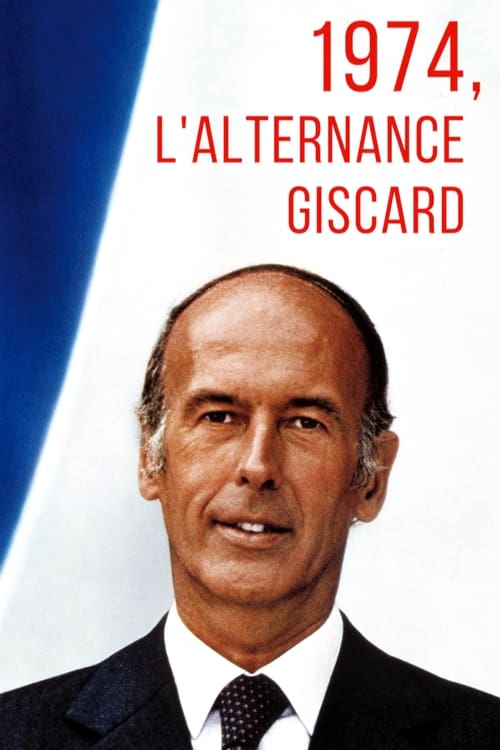
In May 1974, Valéry Giscard d'Estaing became the third President of the Fifth Republic. An alternation of power that did not speak its name opened the doors of power to a reforming president. Abortion, divorce by mutual consent, lowering the age of majority to 18 - in less than two years, the youngest President of the Republic - at the time - carried out reforms with a vengeance, without a united majority in Parliament, before failing in the economic sphere and losing the battle against unemployment. At the age of 90, the former President of the Republic has agreed to look back on these years and gives us a valuable account of his time in power.
FULL CAST
After five years studying in Paris, Arash has not adjusted to life there and has decided to return to Iran to live. Hoping to change his mind, his two friends Hossein and Ashkan convince him to take a last trip through France.
A group of French soldiers, including the patrician Captain de Boeldieu and the working-class Lieutenant Maréchal, grapple with their own class differences after being captured and held in a World War I German prison camp. When the men are transferred to a high-security fortress, they must concoct a plan to escape beneath the watchful eye of aristocratic German officer von Rauffenstein, who has formed an unexpected bond with de Boeldieu.
During the 1972 Olympic Games in Munich, eleven Israeli athletes are taken hostage and murdered by a Palestinian terrorist group known as Black September. In retaliation, the Israeli government recruits a group of Mossad agents to track down and execute those responsible for the attack.
New York Times reporter Sydney Schanberg is on assignment covering the Cambodian Civil War, with the help of local interpreter Dith Pran and American photojournalist Al Rockoff. When the U.S. Army pulls out amid escalating violence, Schanberg makes exit arrangements for Pran and his family. Pran, however, tells Schanberg he intends to stay in Cambodia to help cover the unfolding story — a decision he may regret as the Khmer Rouge rebels move in.
Documents the race riot of 1921 and the destruction of the African-American community of Greenwood in Tulsa, Oklahoma. With testimony by eyewitnesses and background accounts by historians.
Is the story of a generation of thieves who achieved their greatest victories in the sixties; their distinctive code of ethics, the various categories of delinquents inhabiting the citys streets, their alliances with high ranking police officials that allowed them to operate, the betrayals that followed, and the price they ended up paying.

This documentary visits the towns and villages of the Alsace region of France at Christmastime. See the charmingly decorated storybook towns and learn of the unique holiday traditions and celebrations. The Alsatian landscape is covered with medieval towns, castle ruins and vineyards, and the communities of the region create a season of enchantment in their celebration of Christmas.
This award-winning, thrilling story is about a group of discarded kids who revolutionized skateboarding and shaped the attitude and culture of modern day extreme sports. Featuring old skool skating footage, exclusive interviews and a blistering rock soundtrack, DOGTOWN AND Z-BOYS captures the rise of the Zephyr skateboarding team from Venice's Dogtown, a tough "locals only" beach with a legacy of outlaw surfing.
Centers on the unlikely relationship between Ann Atwater, an outspoken civil rights activist, and C.P. Ellis, a local Ku Klux Klan leader who reluctantly co-chaired a community summit, battling over the desegregation of schools in Durham, North Carolina during the racially-charged summer of 1971. The incredible events that unfolded would change Durham and the lives of Atwater and Ellis forever.

A documentary on the massacre of Planas in the Colombian east plains in 1970. An Indigenous community formed a cooperative to defend their rights from settlers and colonists, but the government organized a military operation to protect the latter and foreign companies.

In 1970s California, a serial killer dumps young boys' bodies along the freeways. An L.A. street reporter on the case receives information that embroils him in the dilemma of a lifetime. Decades later, lost confession tapes help experts uncover the truth.
May 27th, 1971 was a rainy day. In the small town Radevormwald, the world seems to be still in order. But on this day, 46 people die in a train crash, amongst them 41 schoolchildren. Since then, Radevormwald has been connected with one of the worst railway catastrophes of Germany. The touching documentary reconstructs the tragedy and shows how much the event still influences the life in the town until today.
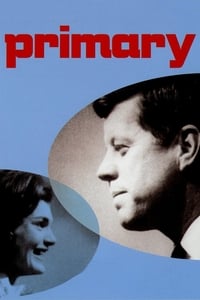
Primary is a documentary film about the primary elections between John F. Kennedy and Hubert Humphrey in 1960. Primary is the first documentary to use light equipment in order to follow their subjects in a more intimate filmmaking style. This unconventional way of filming created a new look for documentary films where the camera’s lens was right in the middle of what ever drama was occurring. Preserved by the Academy Film Archive in partnership with The Film Foundation in 1998.
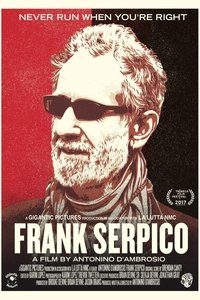
In 1972, officer Frank Serpico exposes the corruption which poisons the roots of the NYPD and becomes famous in 1973 when director Sidney Lumet tells his story in the classic film “Serpico,” starring Al Pacino.
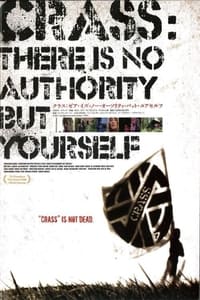
A Dutch documentary about the history of the anarchist punk band Crass. The film features archival footage of the band, and interviews with former members Steve Ignorant, Penny Rimbaud and Gee Vaucher.
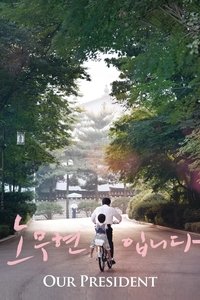
In South Korea, 2002, the Democratic Party put the presidential nomination to a plebiscite for the first time. Amongst numerous candidates, the one who brought about the most unexpected result was a fringe candidate named Roh Moo-hyun.

In the German-occupied Paris, Helene is torn between the love for her boyfriend Jean, working for the resistance and the German administrator Bergmann, who will do anything to gain her affection.
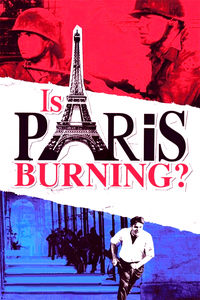
Near the end of World War II, Gen. Dietrich von Choltitz receives orders to burn down Paris if it becomes clear the Allies are going to invade, or if he cannot maintain control of the city. After much contemplation Choltitz decides to ignore his orders, enraging the Germans and giving hope to various resistance factions that the city will be liberated. Choltitz, along with Swedish diplomat Raoul Nordling, helps a resistance leader organize his forces.
0 Comments