
DESCRIPTION
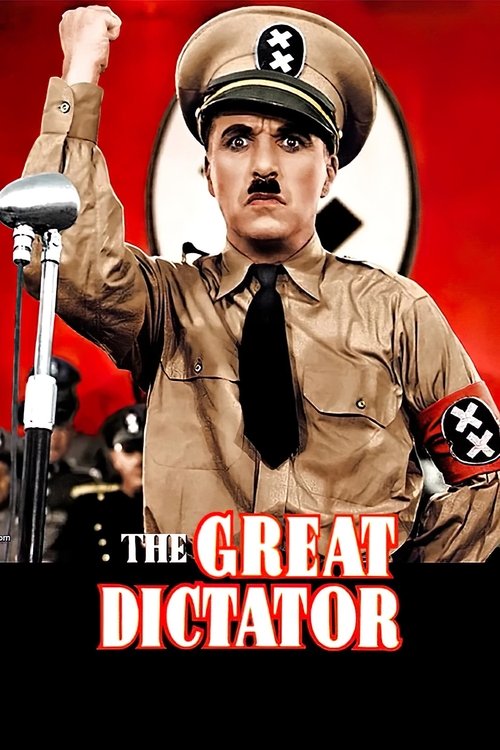
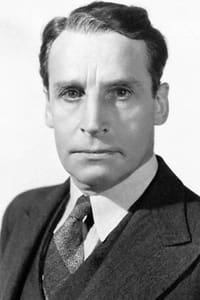
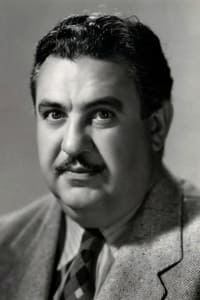
Dictator Adenoid Hynkel tries to expand his empire while a poor Jewish barber tries to avoid persecution from Hynkel's regime.
FULL CAST


Facing imminent eviction, an idealistic young photographer and her hapless roommate attempt to sell her work to galleries for the first time, embarking on a bumpy journey through the collapsing art market of Istanbul.
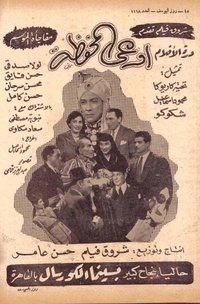
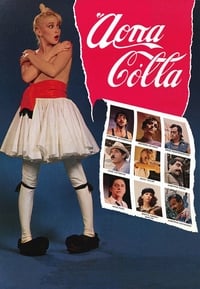
"Arpa-colla" in Greek literally means "Grab and stick", a phrase used to show something that has been done quickly and therefore isn't good enough. This is what the 2 main heroes of the film are doing. The one is a director(Giorgos) and the other an author(Kostas) with communistic ideas, who has won a prize at a festival. They both want to make a movie for the cinema. But every idea they have never comes true, because every time they meet someone to whom they tell their idea, they change their mind, and they want to make a totally different movie, ideas varying from political cinema to Greek historical dramas and modern films with motorcycle gangs. Not a bad attempt for the Greek cinema of the early 80's, which starts to wake up from the hibernation of the 70's.
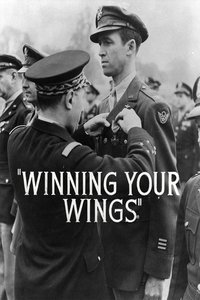
Winning Your Wings is a 1942 short American World War II recruitment film produced by Warner Bros. Studios for the US Army Air Forces, starring Jimmy Stewart. It was aimed at young men who were thinking about joining the Air Force.
Romania, 1944. Six intelligence agents, Russians and Romanians, at the cost of their own lives, prevented the Nazis from destroying a strategically important object — a tunnel on the path of the Soviet Army.
A young, underappreciated intern at the ultra-hip magazine Skirt must learn to deal with kissy-face phoniness, model tantrums and bulimic editors, while trying to steal the heart of a dashing British art director from the grips of a supermodel.
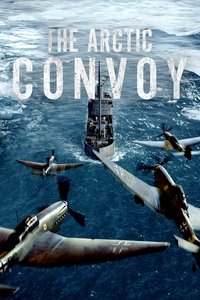
In 1942, a convoy of 35 civilian ships, carrying vital supplies from Iceland to the Soviet Union, faces deadly challenges in the Arctic. Despite Allied naval escort, catastrophic intelligence errors expose the convoy to relentless German air and naval attacks. In the brutal conditions, inexperienced civilian sailors fight for survival, with only 12 ships making it to their destination.
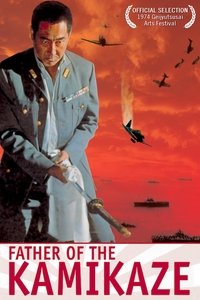
Vice Admiral Takajiro Ohnishi could see that Japan's defeat in WWII was inevitable. He came to realize that the only way to force a negotiated solution was to convince the Americans that invading Japan would cause massive casualties on both sides. The cold logic of suicide attacks, where one man and one plane could kill hundreds, seemed the only solution. In one of the cruel ironies of fate, Ohnishi actually succeeded; he convinced the Americans that invading Japan would be too costly in lives. But what he could not foresee was that America had another way of ending the war.
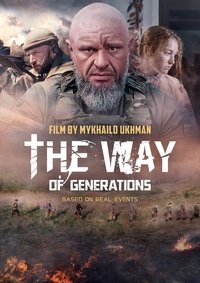
Thi is the story of a Kyiv boy who lives his life believing that the problems of his country do not interest him. However, everything changes when he meets in a dream a Ukrainian warrior who comes to Nazar from the last century. Or maybe it was not a dream?
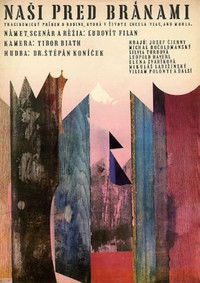
A tragicomedy about people who are able to make use of the war situation for their own benefit. The Gavora family of four leave their secure village home blinded by the vision of a big career and easy earning of money in the capital city.
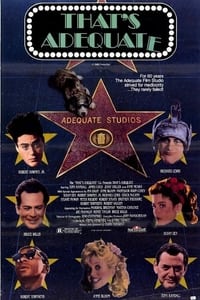
This mockumentary about fictional movie studio Adequate Pictures boasts an interesting cast. Tony Randall hosts, and James CoCo (practically on his deathbed) stars as head of the studio. Includes parodies of everything from silent comedies to porn, including an ultra violent "three stooges" style comedy team who put a new spin on the eye poking gag.
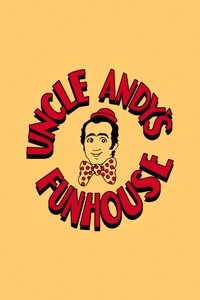
This special was taped in 1977 but did not air until August 1979, on ABC. It featured most of Andy's famous gags, including Foreign Man/Latka and his Elvis Presley impersonation, as well as a host of unique segments (including a special appearance by children's television character Howdy Doody and the "Has-been Corner"). There also is a segment that included fake television screen static as part of the gag, which ABC executives were not comfortable with, fearing that viewers would mistake the static for broadcast problems and would change the channel—which was the comic element Kaufman wanted to present. Andy's Funhouse was written by Kaufman, Zmuda, and Mel Sherer, with music by Kaufman.
0 Comments