
DESCRIPTION
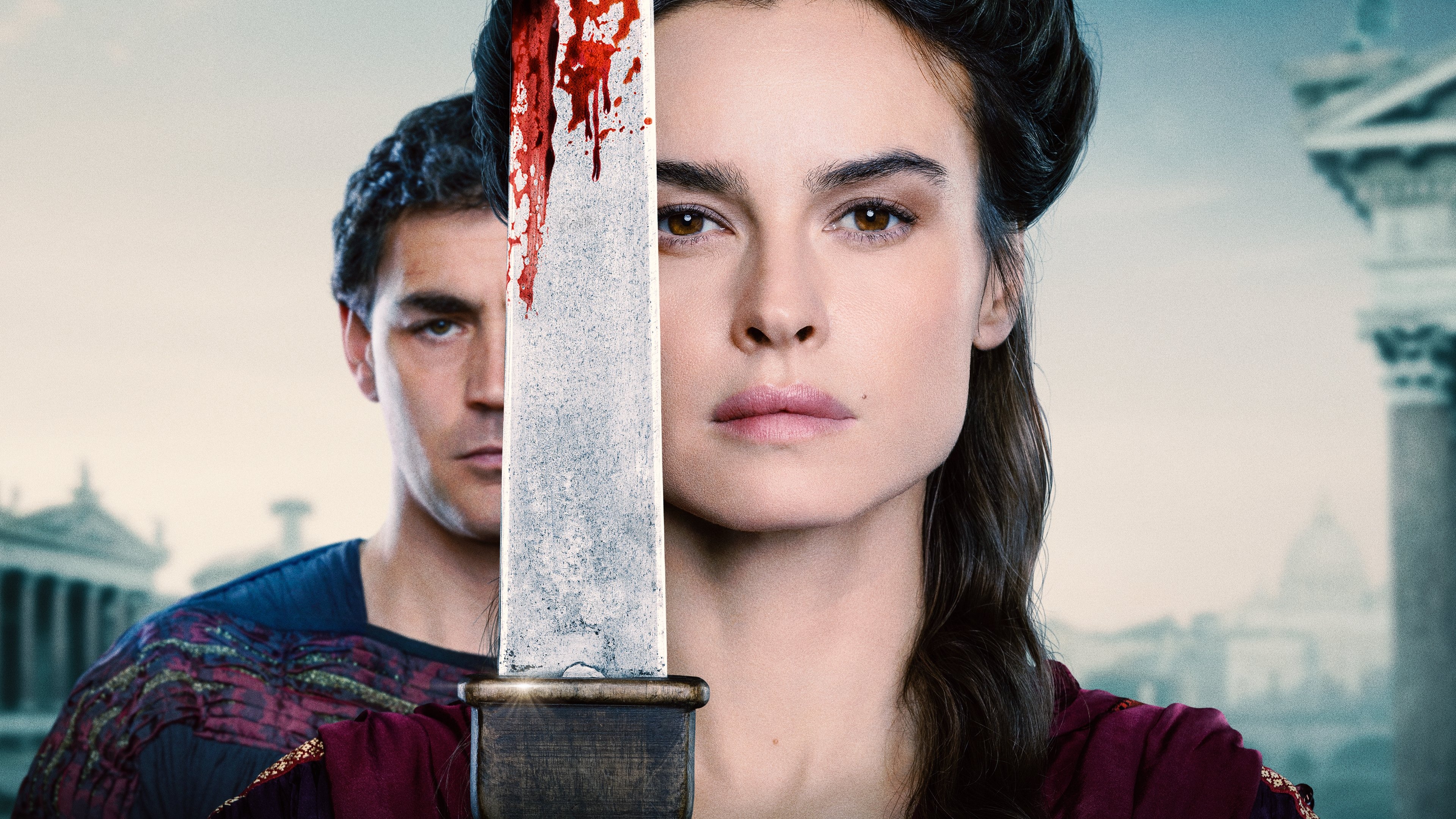
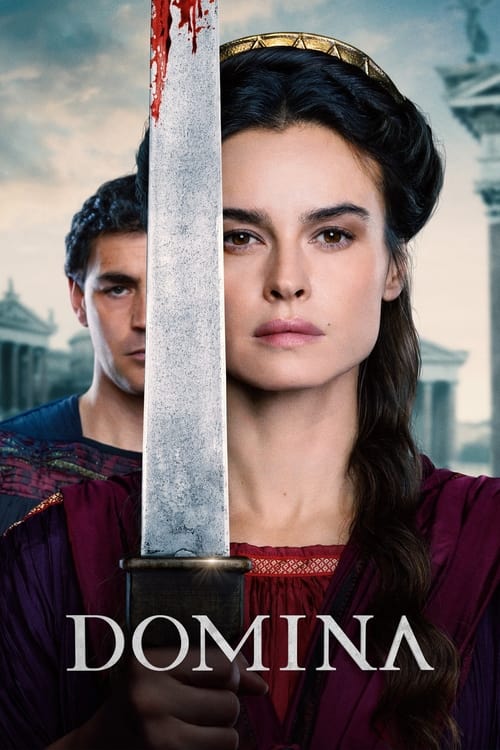
The extraordinary rise of Livia Drusilla, who overcame adversity to become the most powerful woman in the world. Follow Livia’s journey from a naïve young girl whose world crumbles in the wake of Julius Caesar’s assassination, to Rome’s most powerful and influential Empress.
Three people's fates are interwoven in the Battle of the Teutoburg Forest in 9 A.D., during which Germanic warriors halt the spread of the Roman Empire.
A down-to-earth account of the lives of both illustrious and ordinary Romans set in the last days of the Roman Republic.
Acclaimed blackly comic historical drama series. Set amidst a web of power, corruption and lies, it chronicles the reigns of the Roman emperors - Augustus, Tiberius, Caligula and finally Claudius.
After a night of partying with a female stranger, a man wakes up to find her stabbed to death and is charged with her murder.
A raw and honest comedic look at a single, 20-something from Southie whose desires for relationships, sex, and a career collide with the realities of young, single motherhood.
This stylish mix of documentary and historical epic chronicles the reign of Commodus, the emperor whose rule marked the beginning of Rome's fall.
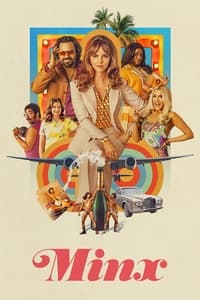
An earnest young feminist joins forces with a low-rent publisher to make the world's first erotic magazine for women.

Old and ill, Augustus, the man who changed the fortunes and destiny of an empire by completing Julius Caesar's project, recounts the two most important phases of his life: his rise to power and his fight against the pressure of his family.

Mira is an American movie star disillusioned by her career and a recent breakup, who comes to France to star as “Irma Vep” in a remake of the French silent film classic, “Les Vampires.” Set against the backdrop of a lurid crime thriller, Mira struggles as the distinctions between herself and the character she plays begin to blur and merge.

This riveting and provocative drama series explores issues of intimacy within the lives of three couples and the therapist they share.

As a young boy, future emperor Nero witnesses the mad Emperor Caligula kill his father and exile his mother. While in exile in the pontine islands, Agrippina, his mother, sees a vision telling her that her son can become emperor, but she will have to die first. She accepts the proposal. Back in Rome, Nero, now being raised by emperor Claudius after Caligula's death, Agrippina returns. She poisons Claudius' food and Nero becomes emperor. At first, Nero cuts taxes and introduces successful programs and invades Brittania. Soon he meets a beautiful slave named Claudia Acte, and marries her, throwing off his engagement with Claudius' daughter, Claudia Octavia, telling her she can marry someone she will be happy with. Heartbroken, she arrives at an island and kills herself. Nero enjoys being married to Claudia Acte, but soon he gradually goes mad with power and sets fire to Rome.
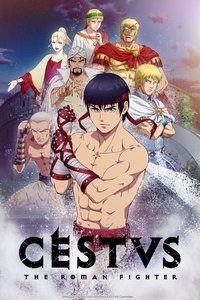
Cestvs enters his first match at the slave gladiator training school. Though he's bewildered to discover that his opponent is his best friend, he wins the match, and his opponent is killed on the spot. According to his instructor Zafar, losers have no future. "Every time you win, your opponent will die. You're practically a murderer!" With all his sorrow and rage clenched in his fists, Cestvs survives, as one after another powerful opponents stand in his way, as well as the shadow of Nero, fifth emperor of the Roman Empire. With no other way to secure his freedom, can Cestvs seize his future?!
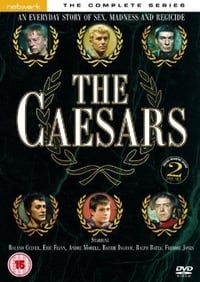
The Caesars is a British television series produced by Granada Television for the ITV network in 1968. Made in black-and-white and written and produced by Philip Mackie, it covered similar dramatic territory to the later BBC adaptation of I, Claudius, dealing with the lives of the early emperors of Ancient Rome, but differed in its less sensationalist depictions of historical characters and their motives.

The struggle between the Roman Empire and its rebellious conquest Judaea, and two best friends caught in a terrible moment in history.
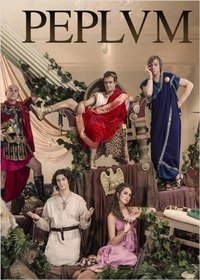
Against the background of decline of the Roman Empire, "Peplum" takes us into the lives of Bravus, a former slave who became adviser to the tyrannical Emperor Maximus. Under pressure, stuck between a professional life stressful and chaotic family life, his days are not looking easy. Indeed, work side Bravus must wet the gown to slow a decline that has a tendency to accelerate under the leadership of the incompetent messy, cruel, capricious and narcissistic Maximus. Personal side, he must face every night his son Caius freshly converted to Christianity, his wife Octavia, foreign to the codes of good Roman society and daughter Lydia sassy which assimilates too well. "Peplum" or how to avoid the burn out in a declining society. The parallel with today can not be a coincidence.
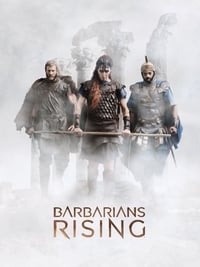
Told from the perspective of the rebel leaders, the series chronicles a wave of rebellions against absolute power by those the Roman Empire called “barbarians” – tribes they viewed as beyond the fringe of civilization that lived a brutish and violent existence. But these also were men and women who launched epic struggles that shaped the world to come with a centuries-long fight to defeat the sprawling empire.
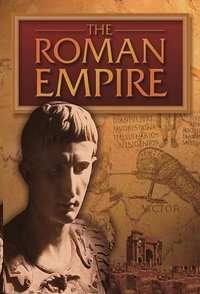
At its height, the Roman Empire encompassed Europe, the Middle East and North Africa. How did it keep prospering for over 400 years? And why did it come to a rapid end? What can we learn from the Roman Empire and what guiding principles does it offer us today?
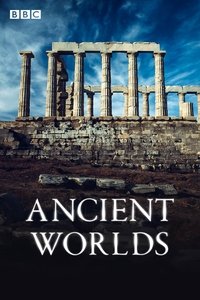
Archaeologist and historian Richard Miles traces the development of Western civilization, from the first cities in Mesopotamia to the fall of the Roman Empire. In this six-part series, Miles travels through the Middle East, Egypt, Pakistan and the Mediterranean to discover how the challenges of society -- religion and politics, art and culture, war and diplomacy, technology and trade -- were dealt with and fought over in order to maintain a functioning civilization. Stories are told of disappeared, ruined and modern cities, from ancient Iraq to modern Damascus, to reveal how successes and failures of the ancients shaped the world today.
0 Comments