
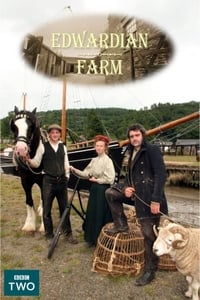
Edwardian Farm is an historical documentary TV series in twelve parts, first shown on BBC Two from November 2010 to January 2011. It depicts a group of historians trying to run a farm like it was done during the Edwardian era. It was made for the BBC by independent production company Lion Television and filmed at Morwellham Quay, an historic quay in Devon. The farming team was historian Ruth Goodman and archaeologists Alex Langlands and Peter Ginn. The series was devised and produced by David Upshal and directed by Stuart Elliott. The series is a development from two previous series Victorian Farm and Victorian Pharmacy which were among BBC Two's biggest hits of 2009 and 2010, garnering audiences of up to 3.8 million per episode. The series was followed by Wartime Farm in September 2012, featuring the same team but this time in Hampshire on Manor Farm, living a full calendar year as wartime farmers. An associated book by Goodman, Langlands, and Ginn, also titled Edwardian Farm, was published in 2010 by BBC Books. The series was also published on DVD, available in various regional formats.

The Australian version of the series in which groups of ordinary Australians take on the role of travel critics when they all go on the same holiday, which could visit an international or domestic destination, and experience the accommodation, cuisine and local sights that it has to offer. At the end of the holiday, each group gives a star rating out of five for the destination.
Frankie sets off on a stand-up tour of Scotland. On four trips to four gigs, he meets a heady mix of people and places, filtering his nation’s past and present through his unique mind.

A travel series that's all about connection. From St. John's to Yellowknife, the hosts uncover some of the country's best hidden gems and meet the people who make each travel destination so unique.
The John Henson Project was an American reality television series that explores the world through the eyes of host John Henson. The series was shown on Spike TV in 2004. The intent of the show was to create a half hour variety-type program that would highlight news, entertainment and sports from a "guy"'s perspective, punctuated by Henson's sardonic sense of humor. The show would feature regular segments like "Cruise the News", "Guys and Balls" and "Man of the Week". More bizarre features were "Could I Kick His Ass?", where Henson would handicap himself, Vegas-style, in theoretical fights with celebrities and reenactments of famous sports tirades performed by grade school aged children.
Globe Trekker is an adventure tourism television series produced by Pilot Productions. The British series was inspired by the Lonely Planet travelbooks and began airing in 1994. Globe Trekker is broadcast in over 40 countries across six continents. Each episode features a host, called a traveller, who travels with a camera crew to a country—often, a relatively exotic locale—and experiences the sights, sounds, and culture that the location has to offer. Special episodes feature in-depth city, beach, dive, shopping, history, festival, and food guides. The show often goes far beyond popular tourist destinations in order to give viewers a more authentic look at local culture. Presenters usually participate in different aspects of regional life, such as attending a traditional wedding or visiting a mining community. They address the viewer directly, acting as tourists-turned-tour guides, but are also filmed interacting with locals and discovering interesting locations in unrehearsed sequences. Globe Trekker also sometimes includes brief interviews with backpackers who share tips on independent travel in that particular country.
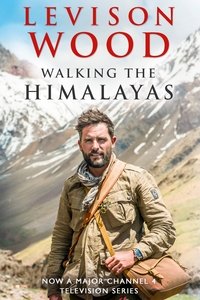
Explorer Levison Wood sets out to walk the length of the world's highest mountain range, from Afghanistan to Bhutan.
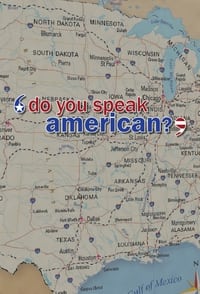
Why is the English spoken by Maine lobstermen so different from thatscene from the broadcast spoken by cowboys in Texas? Does Spanish pose a threat to English as the dominant language in America? And what on earth do yins, wickety wack, ayuh, catty whompus, and stomping it clean mean? Robert MacNeil travels cross-country to answer these questions and examine the dynamic state of American English – a language rich with regional variety, strong global impact and cultural controversy.
J'irai dormir chez vous (meaning "I'll come sleep at your house") is a French travel documentary series aired on French TV channels Canal+, France 5 and Voyage. It is hosted by Antoine de Maximy. Each episode features self-recorded videos from the solo trip of the host in a country. The aim of the host is to try to dine and stay the night with the locals, to discover the local trends and way of life.
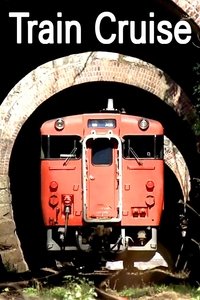
Criss-cross Japan by rail. Enjoy an amazing diversity of nature and scenery across the four seasons, exploring both well-known and hidden Japan.

Two comedians and their sound guy travel the world.


The adventurer begins his most daring quest yet as he journeys from Ireland to Australia

A spin-off of the Youn's Kitchen series. A program that shows the process of Lee Seo-jin, who was promoted from director of 'Youn's Kitchen' in the past to now a CEO/boss, opening and running a small snack & street food bar abroad.

While discovering different kinds of humans worldwide and viewing them from various perspectives, we get to learn about ourselves.
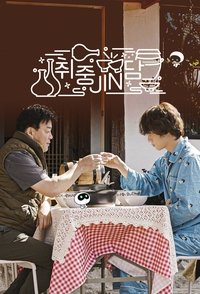
Jin embarks on his first variety show journey, along with well-known Korean chef, Baek Jong Won, to learn the process of brewing alcohol, specifically Korean rice wine to preserve and sustain its commercial market.
0 Comments