
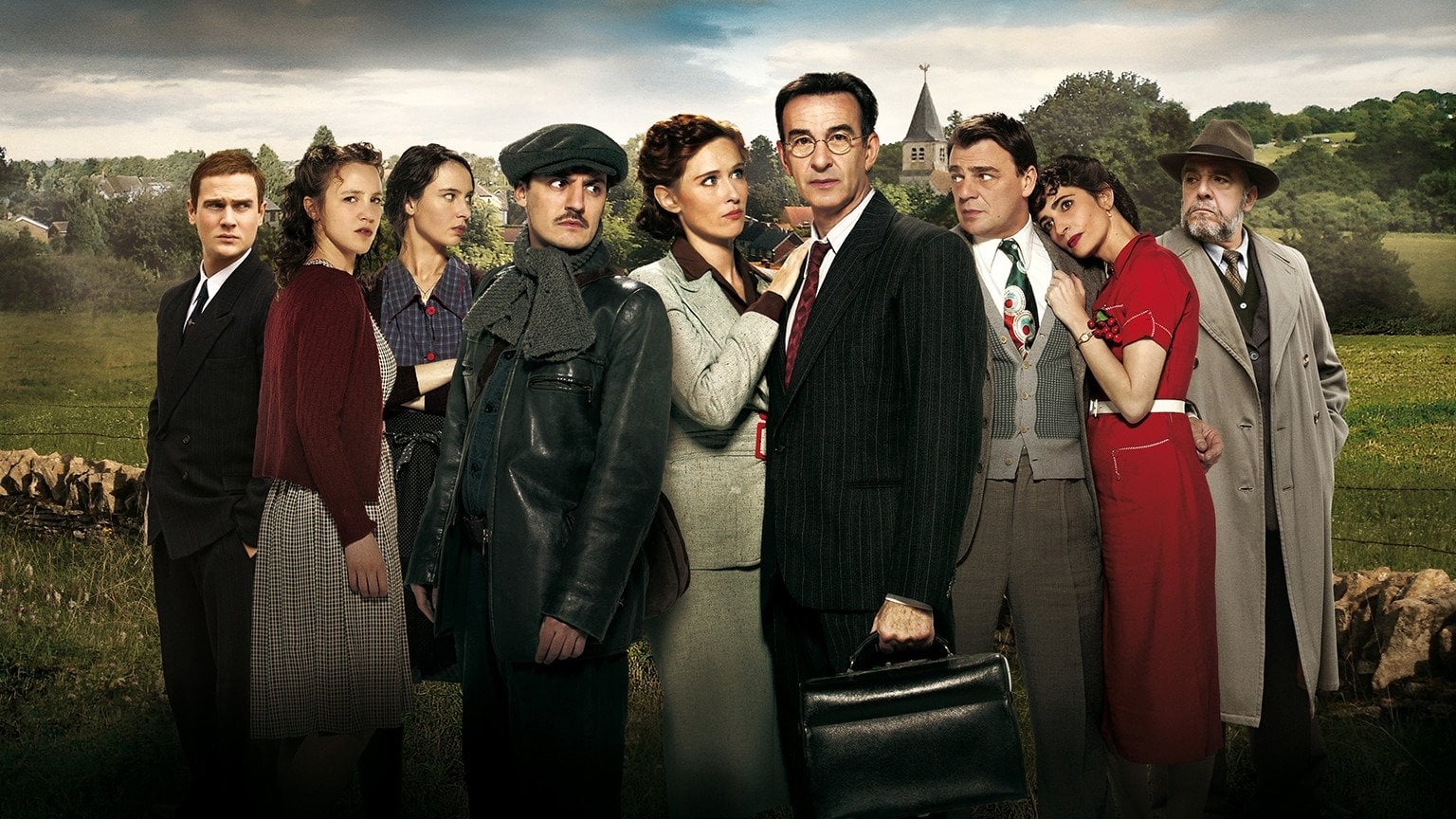

DESCRIPTION
The stories of the people of Villeneuve, a fictional subprefecture, in the Jura, in German–occupied France during the Second World War.
End of Innocence is a two-part television film that focuses on the work of the German Uranium Association during World War II. At Farm Hall in England, the ten German nuclear scientists interned there as part of Operation Epsilon learn of the dropping of the first atomic bomb on Hiroshima in August 1945. In flashbacks, the development of the German uranium project is recapitulated chronologically from the discovery of nuclear fission by Otto Hahn to the work of Kurt Diebner at the Heereswaffenamt to the experiments of the Kaiser Wilhelm Institute for Physics under Werner Heisenberg and Carl Friedrich von Weizsäcker at the Haigerloch research reactor in spring 1945.
Hogan's Heroes is an American television sitcom that ran for 168 episodes from September 17, 1965, to July 4, 1971, on the CBS network. The show was set in a German prisoner of war camp during World War II. Bob Crane starred as Colonel Robert E. Hogan, coordinating an international crew of Allied prisoners running a Special Operations group from the camp. Werner Klemperer played Colonel Wilhelm Klink, the commandant of the camp, and John Banner was the inept sergeant-of-the-guard, Hans Schultz. The series was popular during its six-season run. In 2013, creators Bernard Fein through his estate and Albert S. Ruddy acquired the sequel and other separate rights to Hogan's Heroes from Mark Cuban through arbitration and a movie based on the show has been planned.
Father-and-son team Peter and Dan Snow embark on an epic journey to describe battles that transformed the 20th century. Known for its extensive use of "sand table" CGI effects to help viewers visualize the battles.

The Sullivans is an Australian drama television series produced by Crawford Productions which ran on the Nine Network from 1976 until 1983. The series told the story of an average middle-class Melbourne family and the effect World War II had on their lives. It was a consistent ratings success in Australia, and also became popular in the United Kingdom, Ireland, Netherlands, Gibraltar and New Zealand.

"Die Kinder der Flucht" is a three-part German docudrama that portrays the harrowing experiences of children and young people during the final months of World War II and its aftermath in Eastern Europe. The series weaves together dramatized reenactments, archival footage, and poignant interviews with real-life survivors to tell three distinct yet interconnected stories of displacement, survival, and resilience.

Homefront is an American television drama series created and produced by Lynn Marie Latham and Bernard Lechowick in association with Warner Bros. Television for ABC. The show was set in the fictional city of River Run, Ohio in 1945, 1946, and 1947. The show's theme song, "Accentuate the Positive", was written by Johnny Mercer and performed by Jack Sheldon. Forty-two episodes were broadcast in the United States over two seasons from 1991 to 1993. TV Guide, Abigail Van Buren, and fans showed determination in getting ABC to continue the show for a third season before it was cancelled.

Based on real-life experiences, Tenko remains one of the most fondly remembered and acclaimed BBC dramas of the early 1980s. It follows a group of women, formerly comfortably well-off ex-pats living in Singapore, as they are captured by the Japanese during World War II.
War and Remembrance is an American miniseries based on the novel of the same name by Herman Wouk. It is the sequel to highly successful The Winds of War.
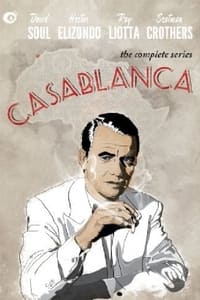
In this prequel to the movie, set from June 1940 to November 1941, American Rick Blaine runs the Cafe Americain in Casablanca and deals with Nazis, French, and locals in this center of World War II intrigue.
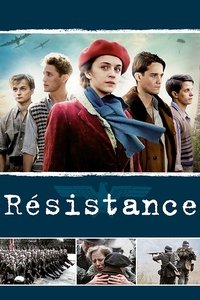
In occupied France, 17-year-old Lili encounters war before love, and joins the Resistance. Through the interconnecting destinies of its teenage heroes, Resistance tells the story of young people going to any lengths to defend their country.
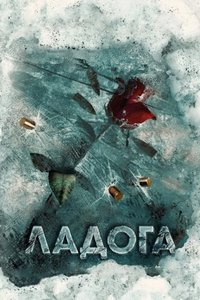
The Second World War. Leningrad was in blockade in the winter of 1941. The only way to deliver food and other supplies to the city is through the icy Lake Ladoga, the so-called “Road of Life”. The path itself passes through the ice of the lake. But the Nazis are preparing a diversion along the way, and their informant is most likely a truck driver. To deal with this situation entrusted to the captain of the NKVD Sergienko ...
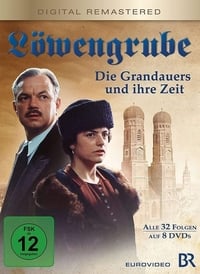
"Löwengrube – Die Grandauers und ihre Zeit" is a German television series first aired between 1989 and 1992, created by Willy Purucker and directed by Rainer Wolffhardt. It is set in Munich and follows the lives of Ludwig Grandauer and his son Karl, both policemen, covering the years from 1897 to 1954. The TV show is based on Purucker's radio play series Die Grandauers und ihre Zeit (‘The Grandauers and their time’). The series’ main title "Löwengrube", meaning ‘Lions’ Den’, refers to the address of the Munich Police Headquarters inaugurated in 1913.
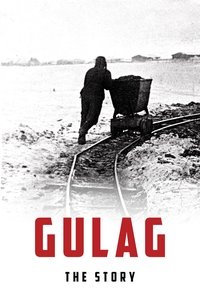
A major political, historical, human and economic fact of the 20th century, the Gulag, the extremely punitive Soviet concentration camp system, remains largely unknown.

The story of a young Louis XIV on his journey to become the most powerful monarch in Europe, from his battles with the fronde through his development into the Sun King. Historical and fictional characters guide us in a world of betrayal and political maneuvering, revealing Versailles in all its glory and brutality.
0 Comments