
DESCRIPTION
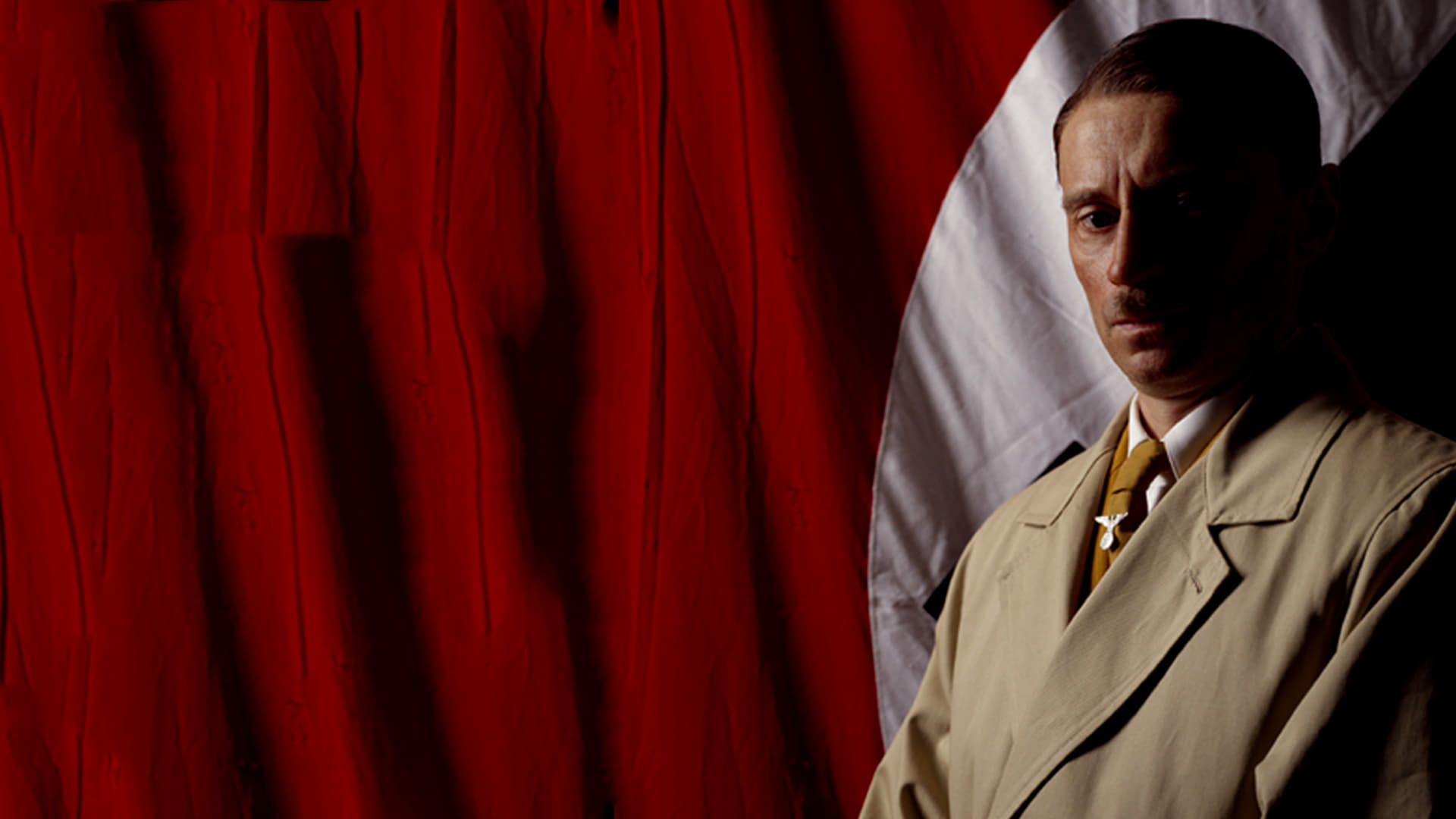
This biopic profiles history's most spectacular madman, tracing his journey from humble roots to complete mastery of Germany.

A documentary which explores the remarkable parallels between the careers of Adolf Hitler and Winston Churchill, as well as their personal rivalry and animosity.
WWII in HD is a 10-part American documentary television miniseries that originally aired from November 15 to November 19, 2009 on the History Channel. The program focuses on the firsthand experiences of twelve American service members during World War II, including an Army nurse, a member of the Tuskegee Airmen, a second generation Japanese American and prisoner of war, and an Austrian Jewish immigrant. The twelve members recorded their time in both theaters and some had later interviews; found footage from the battlefield was paired with the stories of the twelve service members. The episodes premiered on five consecutive days, with two episodes per day. The series is narrated by Gary Sinise and was produced by Lou Reda Productions in Easton, Pennsylvania, United States.

A candid look at what life was really like for those living in, and under Hitler's Swastika - at home - and abroad, a record not only of what they saw, but of what they knew.

As Mexican-American Tejano singer Selena comes of age and realizes her dreams, she and her family make tough choices to hold on to love and music.
May 1945: With the end of the war and the surrender of the Third Reich, the world discovered the full horror of a genocidal system on a scale never before seen in the history of humanity. The elimination of millions of individuals had been meticulously planned by a regime whose organization and methods were just beginning to be understood.
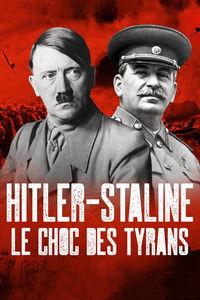
On 23 August 1939, the world was shocked to discover that Hitler and Stalin, the most intractable of their enemies at the time, had signed a pact that allowed them to divide Poland between them and gave the Nazi leader complete freedom to concentrate his forces in the West, against France and the United Kingdom. Through this agreement, Europe was to be thrown into war. For a long time, the relationship between Hitler and Stalin was ignored: their mutual fascination, their moves to get closer, the marks of confidence they exchanged and all the benefits they derived from the German-Soviet pact, before resuming their war to the death in June 41 with the "Barbarossa" operation.

The Girls of Slender Means is a 1975 BBC television mini-series based on Muriel Spark's novel. The drama, aired in three parts, follows a group of young women living in a London boarding house in 1945, and is framed by a death that occurs in 1960.
In occupied France, 17-year-old Lili encounters war before love, and joins the Resistance. Through the interconnecting destinies of its teenage heroes, Resistance tells the story of young people going to any lengths to defend their country.

"Löwengrube – Die Grandauers und ihre Zeit" is a German television series first aired between 1989 and 1992, created by Willy Purucker and directed by Rainer Wolffhardt. It is set in Munich and follows the lives of Ludwig Grandauer and his son Karl, both policemen, covering the years from 1897 to 1954. The TV show is based on Purucker's radio play series Die Grandauers und ihre Zeit (‘The Grandauers and their time’). The series’ main title "Löwengrube", meaning ‘Lions’ Den’, refers to the address of the Munich Police Headquarters inaugurated in 1913.
Set during the 18th century Napoleonic Wars, Horatio Hornblower, a young and shy midshipman, rises through the ranks to become an admiral.
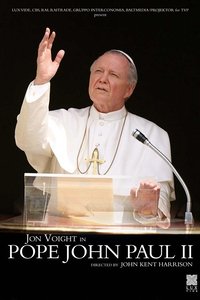
The life of the remarkable man who passed away after an extraordinary 26 year reign, and whose papal odyssey encompassed more than 120 countries and earned him the reputation of an international fighter for freedom.
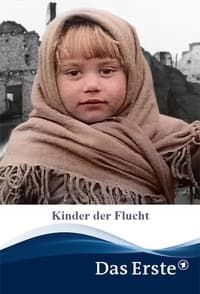
"Die Kinder der Flucht" is a three-part German docudrama that portrays the harrowing experiences of children and young people during the final months of World War II and its aftermath in Eastern Europe. The series weaves together dramatized reenactments, archival footage, and poignant interviews with real-life survivors to tell three distinct yet interconnected stories of displacement, survival, and resilience.

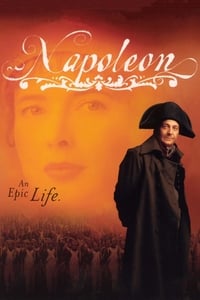
A masterful soldier, tactician and statesmen, Napoleon Bonaparte's courage and love for his country sees him rise from an unpaid general consumed with ambition to the most powerful man in Europe, then his fall, and exile.
Based on real-life experiences, Tenko remains one of the most fondly remembered and acclaimed BBC dramas of the early 1980s. It follows a group of women, formerly comfortably well-off ex-pats living in Singapore, as they are captured by the Japanese during World War II.
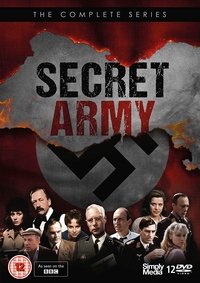
World War II drama about covert organisation Lifeline helping allied airmen escape after being shot down in occupied Europe, working with the Resistance and hiding from the Gestapo.
0 Comments
